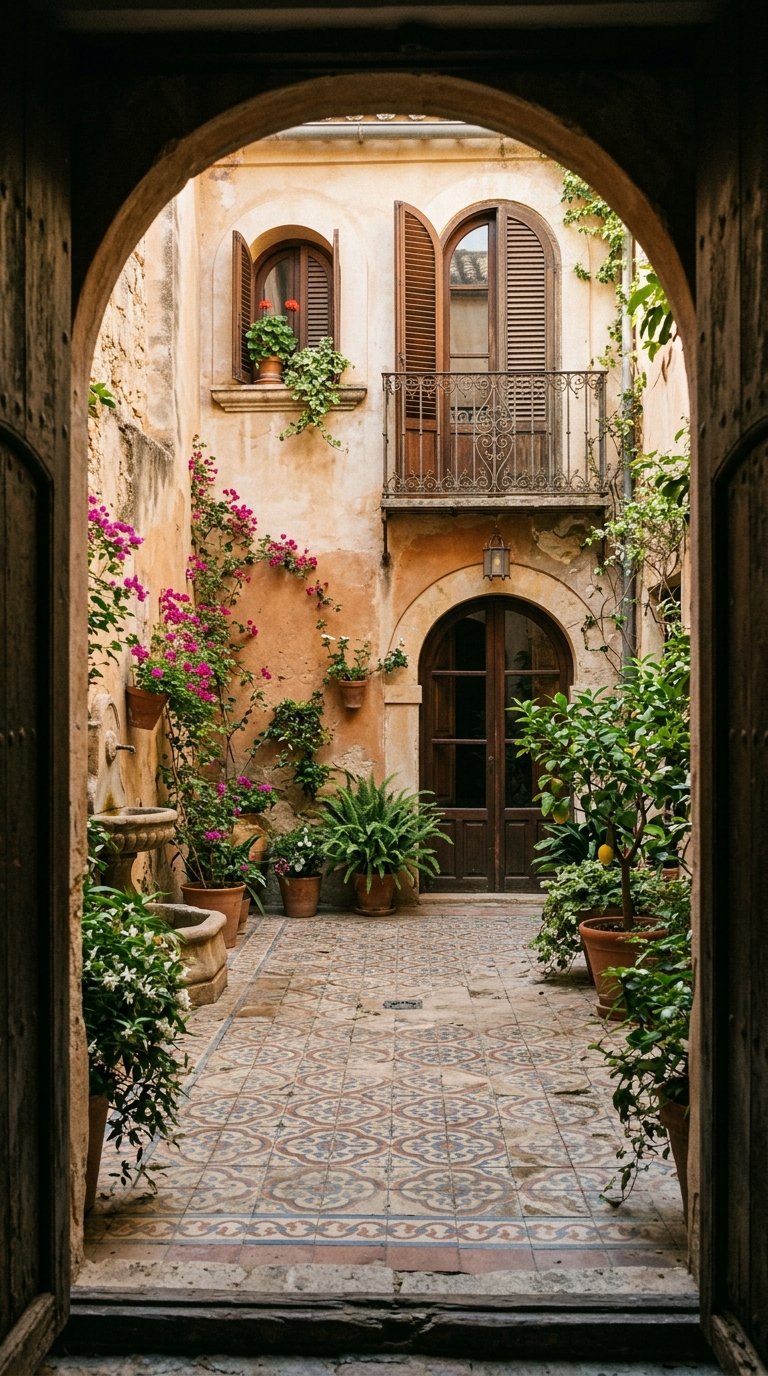
Dreaming about a home with centuries of character in the heart of Viejo San Juan? Owning a historic home here can be deeply rewarding, but it also comes with responsibilities that feel very different from buying a newer property. If you are considering this one-of-a-kind market, understanding the buildings, the review process, and the maintenance realities can help you buy with confidence. Let’s dive in.
Why Old San Juan Is Different
Old San Juan is not a typical residential neighborhood. It is a protected historic district with a mixed residential and commercial urban fabric, and the local historic district includes 917 resources, with 798 identified as contributing as of May 2024.
That context matters when you buy. You are not just purchasing walls and a roof. You are buying into a setting shaped by more than 500 years of history, where the built environment includes city walls, landmark civic structures, and a dense streetscape that has evolved over centuries.
For many buyers, that is exactly the appeal. You get architecture, walkable streets, and a living urban environment that feels unlike anywhere else in Puerto Rico.
What Historic Homes Often Look Like
Many properties in Old San Juan are one-, two-, or three-story masonry buildings, often dating to the 17th or 18th centuries. Historically, ground floors often served commercial purposes such as shops or warehouses, while upper floors were used as residences.
That mixed-use pattern still influences ownership today. You may find homes with nonstandard layouts, street-level activity, and a wider range of property conditions than you would expect in a more uniform housing market.
Common Architectural Features
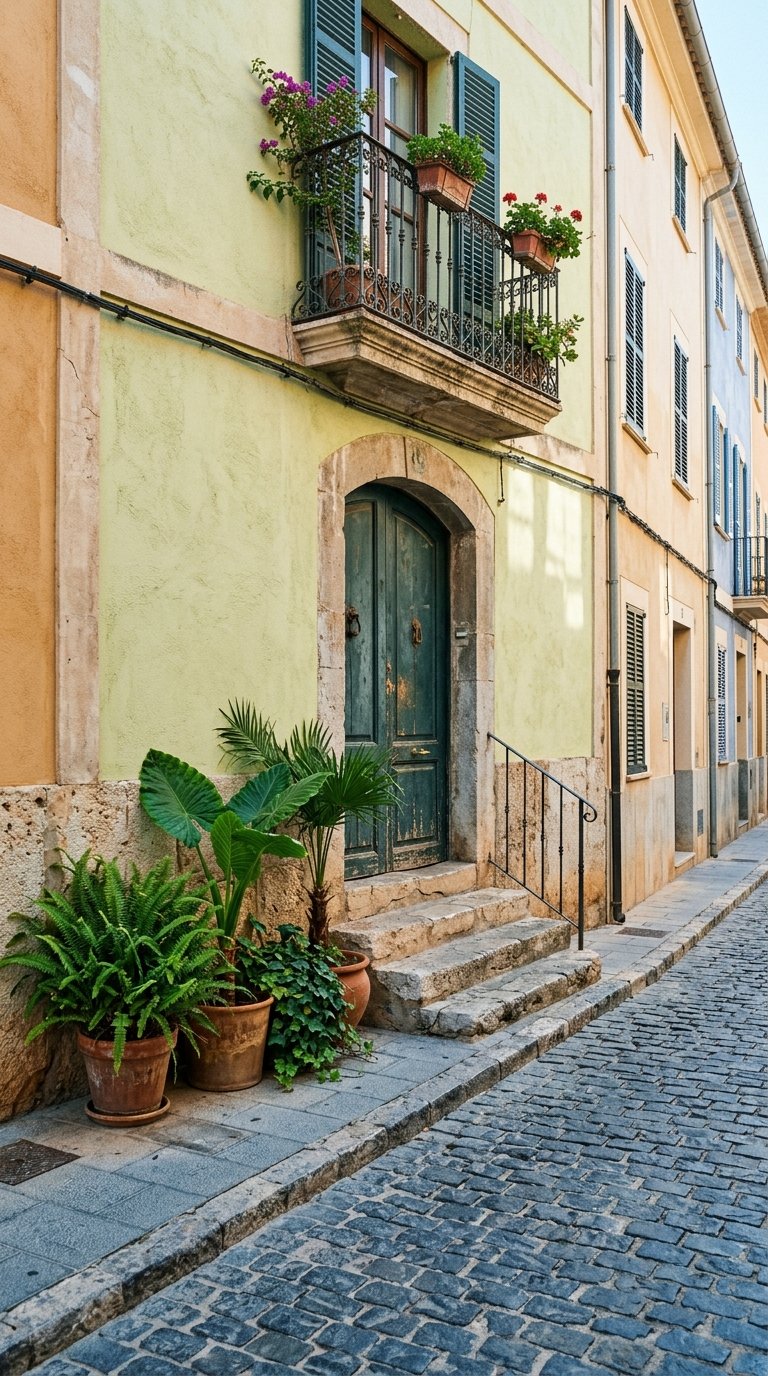
When you tour homes in Viejo San Juan, you may see features like:
- Masonry or reinforced-concrete walls with stucco
- Parapets and simple rectangular or arched openings
- Heavy wood doors and louvered shutters
- Flat roofs with only a slight drainage slope
- Open or roofed balconies
- Courtyards or interior patios
- Wrought iron or turned-wood balustrades
- Stucco ornament, early hardware, and historic tile details
Some homes also include materials such as stone, brick, mortar, clay tile floors, ornamental ceramic tile, and original wood window elements. These details give a property its character, but they also affect how the home should be maintained and updated.
Expect Variety in Condition and Originality
Not every historic home in Old San Juan will feel equally original. Many buildings have been altered over time for multifamily use, small businesses, or changing residential needs.
That means two homes on the same block can present very different ownership scenarios. One may retain more historic finishes and features, while another may have had storefront cuts, façade changes, or interior reconfigurations over the years.
This is one reason due diligence matters so much here. A beautiful façade does not always tell the full story of how a property has evolved.
Preservation Matters More Than Personal Taste
If you buy in Old San Juan, the guiding principle is usually retention, not reinvention. Historic properties are treated as physical documents of their time, so major changes that introduce conjectural features or borrow details from other buildings are generally not the goal.
In practical terms, that means updates should respect the building’s existing form, materials, and character-defining features whenever possible. Rehabilitation can still support modern living, but the work should be compatible with the historic fabric rather than erase it.
Not Every Older Change Should Be Removed
Buyers sometimes assume that every later alteration should be stripped away. That is not always true.
Some later changes may have their own historical significance and may be worth keeping. In a district as layered as Viejo San Juan, a home can reflect multiple periods of use and adaptation.
Who Reviews Work on Historic Properties
In Puerto Rico, the State Historic Preservation Office is the Oficina Estatal de Conservación Histórica, or OECH. The permit office is OGPe, which handles permits, licenses, inspections, certifications, and other authorizations.
For buyers, the key takeaway is simple. If you are planning exterior work or site changes, especially where visible historic features are involved, preservation review is likely to matter.
This is why early planning is so important. Before you assume you can redesign a balcony, alter openings, replace windows, or make exterior changes, it is smart to understand the review path.
Can You Modernize a Historic Home?
Yes, in many cases you can modernize a historic home. The goal is usually to make improvements in a way that is compatible with the building and minimally disruptive to the historic materials and design.
That balance is what makes historic ownership unique. You can often improve function and comfort, but the best results come from thoughtful work that respects what is already there.
Repair Usually Comes Before Replacement
A common preservation baseline is to repair historic features before replacing them. If something truly needs replacement, the new element should match the old in design, color, texture, and, where possible, materials.
This often applies to windows, doors, masonry, decorative features, and exterior finishes. For example, historic windows are often repairable, and replacement is generally expected to closely match the original appearance and materials.
What to Inspect Before You Buy
Historic homes in Old San Juan can be remarkably durable, especially masonry structures. Still, durability does not mean low maintenance.
Historic masonry can be affected by moisture movement, salt exposure, settlement, improper maintenance, and failures related to roofs or drainage. Because many homes here have flat or only slightly sloped roofs, patios, balconies, and parapets, water management deserves close attention.
Key Due Diligence Areas
When evaluating a property, pay close attention to:
- Roof condition and drainage paths
- Signs of water entry around parapets, patios, and balconies
- Masonry cracks, mortar joint condition, and past patching
- Balcony supports and visible structural wear
- Window and door condition
- Evidence of prior façade alterations or storefront cuts
- The overall quality of past renovations or repairs
A general inspection is helpful, but historic properties often need a more specialized eye. Preservation-savvy local professionals can help you understand whether an issue is mostly cosmetic or part of a larger repair plan.
Maintenance Is Ongoing, Not One-Time
One of the biggest mistakes buyers make is budgeting for the purchase and a cosmetic refresh, but not for long-term care. Historic ownership in Viejo San Juan usually requires recurring specialized maintenance.
That may include roof care, masonry repair, mortar repointing, window work, drainage management, and careful cleaning methods. If you want to protect both the value and character of the property, maintenance should be part of your ownership plan from day one.
Why the Wrong Repair Method Can Cost More
Historic materials can be damaged by aggressive treatment. Abrasive cleaning methods such as sandblasting, high-pressure washing, or harsh water-repellent coatings can permanently harm masonry or trap moisture inside the wall.
That is why historic homes should be handled by professionals who understand traditional materials and compatible repair methods. A cheaper fix today can create a much more expensive problem later.
The Lifestyle Side of Ownership
Owning in Old San Juan is about more than maintenance checklists. It is also about choosing a property in a dense, active, mixed-use historic district where street life and building variety are part of the experience.
For some buyers, that energy is a perfect fit. For others, the nonstandard floor plans, older construction, and ongoing care requirements may call for a more measured decision.
The right purchase depends on your goals. You may be looking for a distinctive lifestyle property, a second home, or a property with long-term value tied to location and historic character. What matters most is going in with clear expectations.
Why Local Guidance Matters
Buying a historic home in Viejo San Juan is rarely a plug-and-play transaction. You need to understand the property itself, the local historic context, and the approval realities that may shape future improvements.
That is where hands-on, local guidance becomes valuable. A buyer who understands the district, the building types, and the practical ownership costs is in a much stronger position to make a smart decision.
Whether you are a lifestyle buyer or an investor evaluating a unique San Juan asset, a thoughtful approach can help you avoid surprises and focus on properties that truly fit your plans.
If you are exploring historic homes in Old San Juan and want practical guidance on what to look for, what questions to ask, and how a property may fit your goals, Victor Alonso Vega can help you navigate the process with local insight and hands-on perspective.
FAQs
What makes owning a historic home in Old San Juan different from owning a newer home?
- Historic homes in Old San Juan are part of a protected district, often feature older masonry construction and original architectural details, and usually require more specialized maintenance and review for certain changes.
What features should buyers expect in historic homes in Viejo San Juan?
- Many homes include masonry walls, stucco finishes, heavy wood doors, shutters, flat or slightly sloped roofs, balconies, parapets, patios, and older decorative details such as tile, ironwork, or wood balustrades.
Can you renovate or modernize a historic home in Old San Juan?
- Yes, but updates should be compatible with the building’s historic character and should avoid unnecessary loss of existing features or materials.
Who handles permits and historic review for Old San Juan properties?
- OGPe handles permits and related authorizations, and OECH is the local historic preservation authority relevant to the district’s preservation framework.
What should buyers inspect first in a historic Old San Juan property?
- Focus on roof drainage, signs of water intrusion, masonry condition, mortar joints, balconies, windows, doors, and evidence of prior exterior alterations or poorly executed repairs.
Are original windows and doors always supposed to be replaced in historic homes?
- No, original windows and doors are often repairable, and repair is generally preferred before replacement whenever possible.
Is maintenance more expensive for a historic home in Viejo San Juan?
- It can be, because historic properties often need recurring specialized care for masonry, roofs, drainage, windows, and other original features rather than standard cosmetic updates alone.