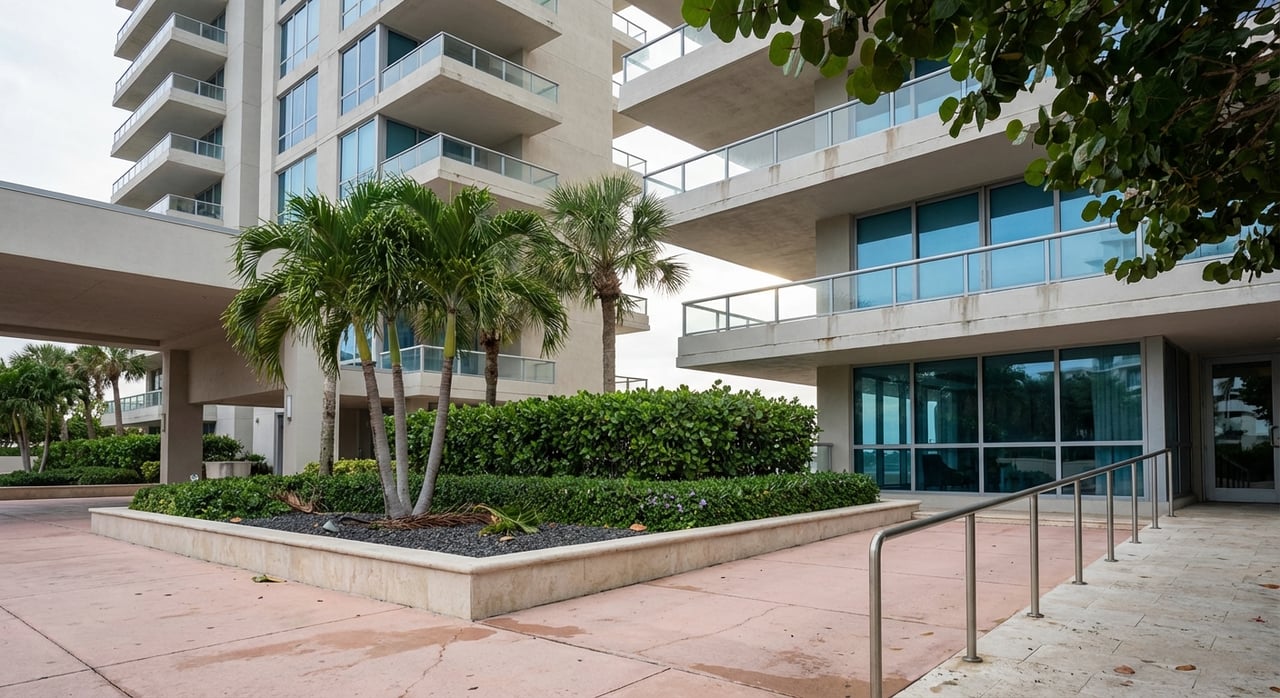
Flying into San Juan to scout an “Airbnb” and wondering if Isla Verde delivers the cash flow you want? You’re not alone. With the beach out front and the airport next door, the area draws a steady stream of short stays. In this guide, you’ll get a simple, ROI‑first plan to evaluate units, confirm legality, vet buildings and managers, and forecast returns with confidence. Let’s dive in.
Why Isla Verde works for STRs
Isla Verde sits in the municipality of Carolina, right by Luis Muñoz Marín International Airport and minutes from San Juan’s attractions. That proximity fuels a reliable flow of leisure and transit guests year‑round. You get couples, families, quick overnight flyers, and spillover from events in the metro. The result is frequent short bookings and a broad guest base. This overview of Isla Verde’s location and beach district explains why it stays on travelers’ radar.
The product mix is ideal for short stays. You see beachfront towers, apartment‑style condos, and hotels all serving 1 to 14‑night trips. Water sports, nightlife, and on‑site amenities make it easy to convert browsers into booked guests. See how official tourism content frames the area’s lodging by browsing an Isla Verde apartment‑style accommodation example.
One note on supply: Puerto Rico’s short‑term rental inventory has expanded in recent years, and San Juan/Carolina remains one of the densest corridors. Expect competition on beachfront platforms, but also consistent traveler flow because of beach access and SJU. Treat Isla Verde as a high‑demand, high‑supply coastal micro‑market and underwrite conservatively.
Know the rules and taxes first
Short‑term rentals in Puerto Rico sit under two layers of rules: Commonwealth and municipal. You should confirm both before you make an offer or sign a management agreement.
Commonwealth: sales and use tax (IVU)
Puerto Rico’s general sales and use tax (IVU) is currently 11.5%. Registration and remittance run through the Treasury’s SURI system. Learn more on the Puerto Rico Treasury site.
Commonwealth: room and occupancy tax (Law 272)
Short stays are treated as lodging under Law 272‑2003, which imposes a room or occupancy tax on rentals under 90 days. Hosts and operators must register with the Tourism Company’s hospedería registry and remit the tax, commonly cited around 7% of the room rate. Review the statute on LexJuris and the registry guidance reference.
Municipal licensing and visibility
Municipalities manage local permits and operating conditions. San Juan, for example, requires STR registration, a visible license number in listings, and annual renewal through its portal. Fees and specific conditions depend on unit type. See the San Juan STR portal for how an active municipal program looks. Isla Verde properties fall within Carolina, which may maintain separate rules, so always confirm the exact municipality for the address and follow its process.
A shifting legislative backdrop
Island‑wide bills have been proposed, rejected, or revised over time. Do not assume a single, unified rulebook. Track municipal portals and official guidance as you plan your purchase. Read a snapshot of recent debates in this update on proposed STR legislation.
Minimum compliance checklist before you buy
- Confirm the municipality and any local STR ordinance, permits, and renewal schedule. If in San Juan, review the registration portal.
- Obtain a Tourism Company host registry number for room tax remittance. Start with the Law 272 framework and registry guidance reference.
- Register for IVU collection with Hacienda/SURI, where applicable.
- Get written confirmation from the condominium or HOA that short‑term rentals are allowed. Puerto Rico’s condo law governs these documents and procedures; see a condominium law reference.
Pick the right building: HOA due diligence
In Isla Verde, many units sit in condo buildings where bylaws can restrict or ban STRs. An ocean‑view bargain means little if the rules prohibit short‑term use. Do this homework on every candidate building.
What to verify
- Legal right to operate: Request a certified copy of the condo declaration and reglamento. Scan for clauses restricting temporary rentals or requiring special votes to allow them. Review board minutes for any STR‑related actions. Use this condominium law reference as your guidepost for process.
- HOA practice: Ask the board about prior enforcement, fines, and any history of STR guest complaints.
- Permits and use: Confirm the building’s permitted use and any Single Permit or occupancy certificates through Puerto Rico’s permitting channels. The path can differ for hotel or condo‑hotel projects. See the economic development portal for general context.
- Building condition: Check elevator uptime, structural reports, reserve fund size, and special assessments. In Puerto Rico, hurricane resilience, flood elevation, and roof/HVAC condition affect OPEX and insurance.
- Safety and plans: Verify fire‑safety certificates, required signage, and the building’s emergency plan. Local regulations address emergency planning; review this safety planning reference.
- Operations: Confirm parking, guest access to common areas, onsite security, and any rules that limit early check‑in or late checkout.
Red flags
- An explicit bylaw ban on STRs or a recent board vote against them.
- Active building litigation tied to STR activity.
- HOA policies that add significant fees for STR units.
- Chronic power issues, thin reserves, or repeated special assessments.
Run the numbers with a simple ROI workflow
Your underwriting should balance realistic revenue with Puerto Rico‑specific costs. Use this step‑by‑step process on any unit you are considering.
Step 1: Estimate ADR
Start with a conservative average daily rate based on unit class and location. Example figures published for the San Juan area have cited ADRs in the low to mid‑$200s, depending on season and product. Treat this as a starting point only and validate for the exact building. See an example of published San Juan market figures for context.
Step 2: Project occupancy
Apply a realistic annual occupancy. A 45 to 65% range is a common underwriting bracket in the metro, flexing with unit quality, listing strength, and professional management.
Step 3: Gross revenue
Multiply ADR by 365 nights and your occupancy rate. Example: ADR $200 and 60% occupancy yields about 219 booked nights and roughly $43,800 in gross revenue. This is illustrative only and not a guarantee.
Step 4: Subtract costs
Budget for these typical line items:
- Platform fees depending on your listing model.
- Management fee. Full‑service operators often charge 15 to 30% of revenue, while limited‑service or co‑host models can run 8 to 15%. See industry ranges in this management fee guide.
- Cleaning and turnovers. Per‑stay fees may be guest‑paid or partly owner‑absorbed.
- Utilities. Electricity in Puerto Rico trends higher than many U.S. states. Budget conservatively and verify recent bills. See background on electricity costs context.
- Maintenance and reserves. A 5 to 10% of gross placeholder is common, adjusted for building age.
- HOA dues, property taxes, and STR‑appropriate insurance.
- Taxes. Build IVU at 11.5% and the Law 272 room tax into your pricing and remittance plan. Reference Hacienda and Law 272.
Step 5: Sensitivity check
Run ±10 to 20% swings on ADR and occupancy to see how net cash flow shifts. Your decision should still pencil with modest downside.
Choose a local operator you can trust
A strong manager is the difference between a smooth guest experience and municipal headaches. Vet candidates with the same rigor you use for the property.
What to require
- Compliance support. Your operator should help secure municipal registrations, the Tourism Company host number, and IVU filings. Ask for past license numbers they obtained. See how a functioning program looks in the San Juan STR portal.
- Clear fees. Confirm the fee base. Is the percentage applied to gross revenue including cleaning, or to net? Compare to industry ranges in this fee overview. Request sample owner payouts.
- Transparent reporting. Monthly statements, access to booking calendars, and proof of expenses.
- Local capacity. On‑island housekeeping, linen rotation, maintenance vendors, and a 24/7 guest line.
- Insurance and damage. Require STR‑appropriate coverage and a documented claim process.
- Fair terms. Short initial terms with clean termination and listing transfer language.
Reference checks
Ask for two to three Isla Verde or Carolina owner references and compare claimed ADR and occupancy to platform calendars and owner P&Ls.
Risks to plan for, and how to mitigate
- Regulatory change. Municipal rules evolve. Confirm current requirements and any pending changes before you close. For context on San Juan’s framework, review this regulation summary.
- HOA shifts. Governing documents or board actions can change. Get unambiguous, written HOA confirmation now and monitor minutes. See the condo law reference.
- Power reliability and insurance costs. Puerto Rico has faced grid reliability issues, which can increase OPEX or push you to invest in backup power. Read more in this operational risk note.
- Data gaps. Official STR registration and data tracking have shortcomings, so insist on operator‑provided documentation like booking calendars and tax receipts. See reporting on registry data issues.
Your request list: documents to see before you commit
- 12 to 24 months of booking calendars and P&Ls with ADR, occupancy, and fees.
- Copies of municipal STR licenses and Tourism Company host registry number; IVU/SURI registration receipts.
- HOA declaration and recent minutes regarding STRs; proof of no fines or enforcement.
- Recent utility and insurance invoices; reserve and maintenance records.
- Unit and system photos plus inspection and HVAC/AC service receipts.
Next steps for out‑of‑town investors
Engage a bilingual Puerto Rico real estate attorney or title professional to confirm HOA and municipal permissibility. Start with the condo law reference.
Request manager P&Ls and at least two Isla Verde owner references. Compare claims to live calendars and statements. Review industry fee norms in this overview.
If returns rely on STR performance, obtain a building‑level market report from a paid data source so you can validate ADR seasonality and occupancy for that exact address.
Budget a contingency for higher electricity costs, potential backup power, and STR‑specific insurance until you see true operating numbers.
When you want a local partner who can source the right condo, confirm compliance, and stand up operations, connect with Victor Alonso Vega. You’ll get neighborhood expertise in Isla Verde and a practical plan to turn a listing into a reliable cash‑flow asset. Let’s connect.
FAQs
What makes Isla Verde attractive for short‑term rentals?
- It sits next to SJU and minutes from San Juan’s attractions, drawing steady leisure and transit demand year‑round; see the Isla Verde location overview for context.
Are short‑term rentals legal in Isla Verde if I follow the rules?
- Yes, when you comply with Commonwealth taxes (IVU and Law 272 occupancy tax), meet municipal permit requirements for the property’s municipality, and your HOA allows STRs; start with Hacienda and the Law 272 statute, and review municipal portals such as San Juan’s example.
How do HOA rules in Isla Verde condos affect STRs?
- Condo bylaws can restrict or ban short stays, or require special votes, so you must obtain the declaration, reglamento, and minutes and confirm permissibility; see Puerto Rico’s condo law reference.
What ADR and occupancy should I underwrite for an Isla Verde 1‑bedroom?
- Use conservative estimates and validate with paid data; published San Juan figures cite ADRs in the low to mid‑$200s with occupancy often in the high‑40s to mid‑50s percent range; see an example of published figures.
What do local property managers usually charge for STRs?
- Full‑service fees often run 15 to 30% of revenue, with lighter‑touch or co‑host models around 8 to 15%; compare structures using this fee guide.
Which taxes apply to my nightly rate in Puerto Rico?
- The 11.5% IVU may apply, and the Law 272 occupancy tax is commonly cited around 7% on short stays; plan collection and remittance via Hacienda and follow Law 272 requirements.