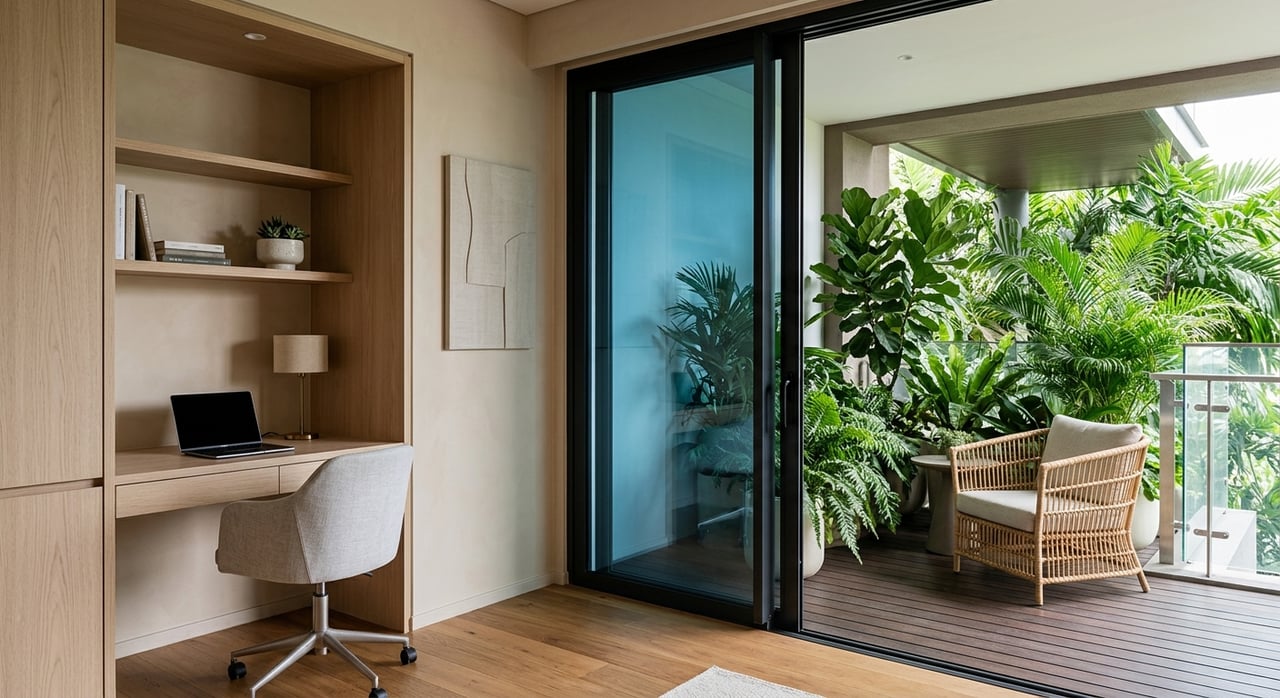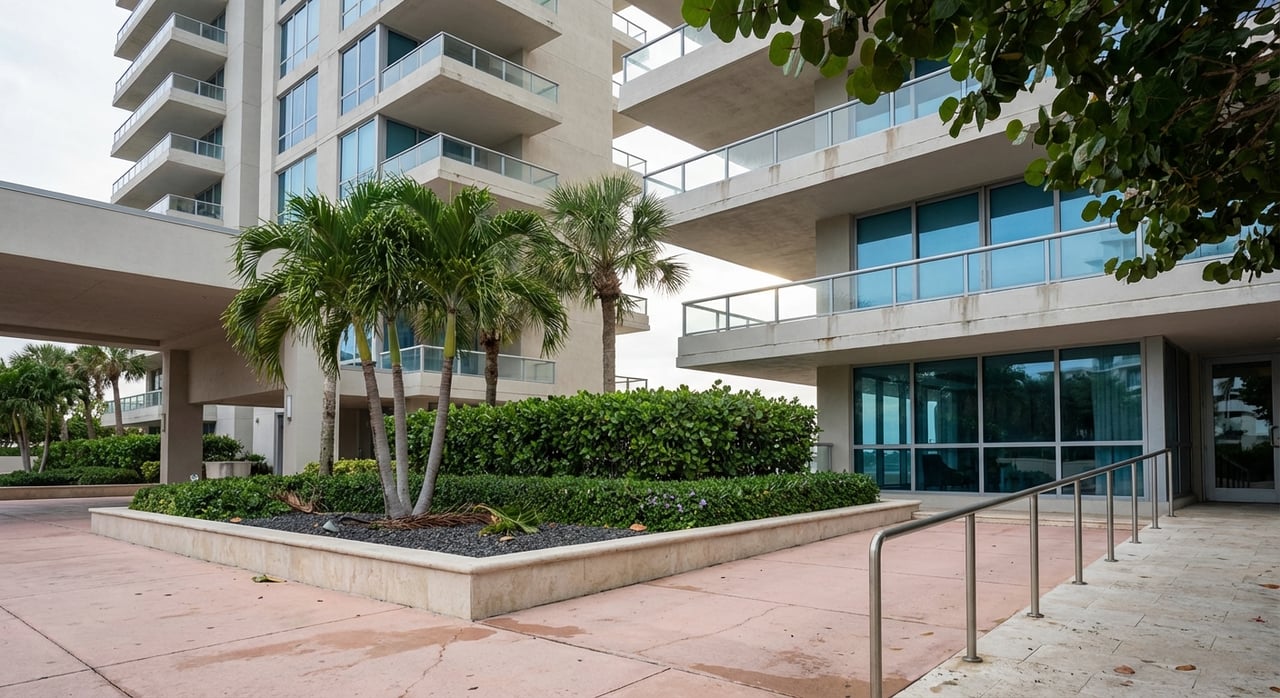
What if a simple duplex in Santa Teresita could cover its costs and still put cash in your pocket? If you are curious about Ponce’s rental potential but want a clear, no‑nonsense way to run the numbers, this walk‑through is for you. You will see how to compare long‑term rent to short‑term income, structure a basic pro forma, and stress test your assumptions so you can invest with confidence. Let’s dive in.
Why Santa Teresita in Ponce
Ponce is a major hub on Puerto Rico’s south coast with steady demand from hospitals and clinics, universities, municipal services, and regional tourism. That translates into year‑round housing needs and consistent short‑term stays tied to cultural events, family visits, and medical travel. Seasonality still matters, especially around holidays and spring travel, but Ponce does not mirror beach‑only patterns.
Santa Teresita and Machuelo Abajo are residential barrios within the Ponce municipality. Before you buy, verify block‑level factors that influence both long‑term rental and short‑term occupancy: building age and condition, proximity to downtown and hospitals, local amenities, parking, and any zoning or HOA rules that affect rentals. Small details on a single block can change performance.
The case study goal and method
You are underwriting a standard duplex and comparing two paths:
- Long‑term rental (LTR) for both units
- Short‑term rental (STR) for one or both units
Your objective is simple. Build a realistic income and expense picture for each option, then run sensitivity tests to see how cash flow holds up if rates or occupancy change.
Step 1: Estimate income
Long‑term rent
- Pull 10 to 20 local comps for 1 to 2 bedroom units within 1 to 3 miles.
- Confirm typical lease length and whether landlords include any utilities.
- Note any concessions, like a partial free month, since these affect true annual income.
Short‑term rental
- Collect a minimum viable data set. Sample 10 to 20 STR listings that match your unit size, guest capacity, and condition.
- Record average daily rate by season and estimate occupancy from calendar history. Consider minimum stays and nearby events.
- Keep cleaning fees separate so you can track them as pass‑through revenue versus actual cleaning expense.
- Check current platform fee schedules on the Airbnb Help Center so you include host and processing fees in your model.
Step 2: Build expense lines
Expenses look different for LTR versus STR. Include these buckets for each scenario and verify amounts locally.
- Property taxes: obtain the actual annual bill from the Ponce assessor.
- Insurance: get quotes for landlord coverage and for STR coverage. Wind, hurricane, and flood exposure matter. Check your FEMA flood zone on the FEMA Flood Map Service Center.
- Utilities: STR often requires owner‑paid electricity, water, and internet. LTR may have tenants pay some or all utilities.
- Property management: LTR managers often charge 6 to 10 percent of collected rent. STR managers often charge 15 to 30 percent for full service.
- Repairs and maintenance: budget a realistic annual amount or 5 to 10 percent of gross rents.
- Cleaning and turnover: STR only. Budget per‑stay cleaning plus linens and more frequent refreshes.
- Platform and payment fees: STR only. Include host and processing fees.
- Supplies and consumables: STR only. Toiletries and coffee add up.
- Capital reserves: set aside 5 to 10 percent of gross rents for big items like AC, roof, and appliances.
- Licensing, business taxes, legal, and accounting: confirm any STR registration and lodging tax remittance with the Puerto Rico Department of Treasury (Hacienda) so you can budget properly.
- Vacancy: LTR vacancy is typically modeled at 4 to 8 percent. STR vacancy is reflected in your occupancy assumption.
Step 3: Add financing and closing costs
Ask lenders for current terms and include points and origination costs. Record the loan amount, interest rate, amortization, and monthly debt service. Your cash invested equals down payment plus closing costs plus any initial repairs.
A simple pro forma you can copy
Use these core formulas to compare LTR and STR on equal footing. Keep numbers illustrative until you plug in local quotes and comps.
- Gross income (LTR) equals monthly rent times 12 times the number of units.
- Gross income (STR) equals average daily rate times occupied nights. Occupied nights equal 365 times occupancy.
- Net operating income equals gross income minus operating expenses. Do not include loan payments here.
- Cash flow before tax equals net operating income minus annual debt service.
- Cap rate equals net operating income divided by purchase price.
- Cash‑on‑cash return equals annual cash flow divided by initial cash invested.
Tip: For quick sensitivity, you can compare total expense ratios before you have every quote. LTR often runs around 25 to 45 percent of gross rent. STR is usually higher, often 40 to 70 percent, because of cleaning, management, and utilities. Replace these with real numbers once quotes arrive.
Sensitivity and break‑even made easy
What to stress test
- STR: test average daily rate and occupancy
- LTR: test rent and vacancy
- Both: test management fees, insurance, cleaning costs, and loan terms
The 3 by 3 grid
- STR grid: Low, Base, High ADR across the top. Low, Base, High occupancy down the side. For each cell, compute revenue, expenses, NOI, debt service, and cash flow.
- LTR grid: Low, Base, High rent across the top. Low, Base, High vacancy down the side. Compute the same outputs.
Break‑even occupancy for STR
- Add your fixed annual costs: property taxes, insurance, base management, reserves, and any fixed utilities.
- Estimate variable cost per occupied night: cleaning cost per stay divided by average length of stay, plus variable utilities and platform fees.
- Solve for occupied nights so that nightly income covers variable cost, fixed costs, and debt service. This gives you the nights per year you need to break even.
Operations that boost returns
Small operational choices can move the needle on both income and expenses.
- Revenue management: dynamic pricing, professional photos, and optimized copy lift ADR and conversion.
- Channel strategy: cross‑list across platforms for broader demand, then tune minimum stays to reduce turnover without losing occupancy.
- Cost control: standardize turnovers, buy consumables in bulk, and follow a preventative maintenance schedule to avoid premium emergency repairs.
- Screening and rules: clear house rules, security deposits, and local contacts reduce risk.
- Tenant management: for LTR, thorough screening and appropriate lease terms reduce arrears and turnover.
- Hybrid strategies: consider one STR and one LTR unit to diversify income. Mid‑term rentals for traveling medical staff or visiting faculty can offer higher rates with fewer turnovers.
Local risks and how to plan for them
- Regulatory change risk: STR registration and lodging tax rules can evolve. Confirm current requirements with Hacienda before you launch operations.
- Weather and climate: hurricanes and flood exposure affect both insurance costs and occupancy. Verify your flood zone and insurability on the FEMA Flood Map Service Center.
- Data quality: public STR calendars show availability, not true booked rates. Use actual quotes and, if needed, paid analytics for better estimates.
- Micro‑market nuances: block‑level access, parking, and perceived convenience matter in Santa Teresita and Machuelo Abajo. Verify these on site before you underwrite aggressive numbers.
What to verify in Santa Teresita today
- Recent duplex sales and cap rates from the local MLS
- Current LTR asking rents and actual leases for 1 to 2 bedroom units
- STR ADR and occupancy for a tight set of comparable listings within 1 to 3 miles
- Property tax bill and Ponce assessment for the target property
- Insurance quotes for LTR and STR coverage
- Flood zone status and any wind mitigation details
- STR registration steps and lodging tax remittance process with Hacienda
- Management bids for both LTR and STR
How we help you run the numbers
You do not need to guess. We pair neighborhood knowledge with investor‑grade modeling so you can move fast with confidence. Our boutique practice can help you source duplex opportunities, verify rents and STR performance, coordinate quotes for taxes, insurance, and management, and set up operations after closing.
If you want a property that performs like a business, we are ready to help model, acquire, and manage it. Ready to evaluate a Santa Teresita duplex? Contact Victor Alonso Vega to start your underwriting session.
FAQs
What returns can a Ponce duplex produce for a small investor?
- Returns vary by unit condition, rent or ADR, occupancy, expenses, and financing. Build LTR and STR cases side by side, then compute NOI, cash flow, cap rate, and cash‑on‑cash to compare.
How do lodging taxes work for short‑term rentals in Puerto Rico?
- STR hosts should confirm registration and remittance requirements with the Puerto Rico Department of Treasury (Hacienda). Verify current rates and filing steps before listing.
What insurance should I carry if I run an STR in a duplex?
- Ask local brokers for landlord and STR policy quotes. Many STRs require a vacation‑rental endorsement and higher wind or flood coverage based on FEMA flood zone and building factors.
How do I estimate STR occupancy for Santa Teresita, Ponce?
- Sample 10 to 20 comparable listings, record ADR and calendar history, and layer in seasonality and minimum stay settings. Paid analytics can help, but local comps and quotes are essential.
How do I calculate break‑even occupancy for an STR unit?
- Break‑even nights equal fixed costs plus debt service divided by nightly rate minus variable cost per night. Include cleaning amortized per night, platform fees, and variable utilities in your variable cost.