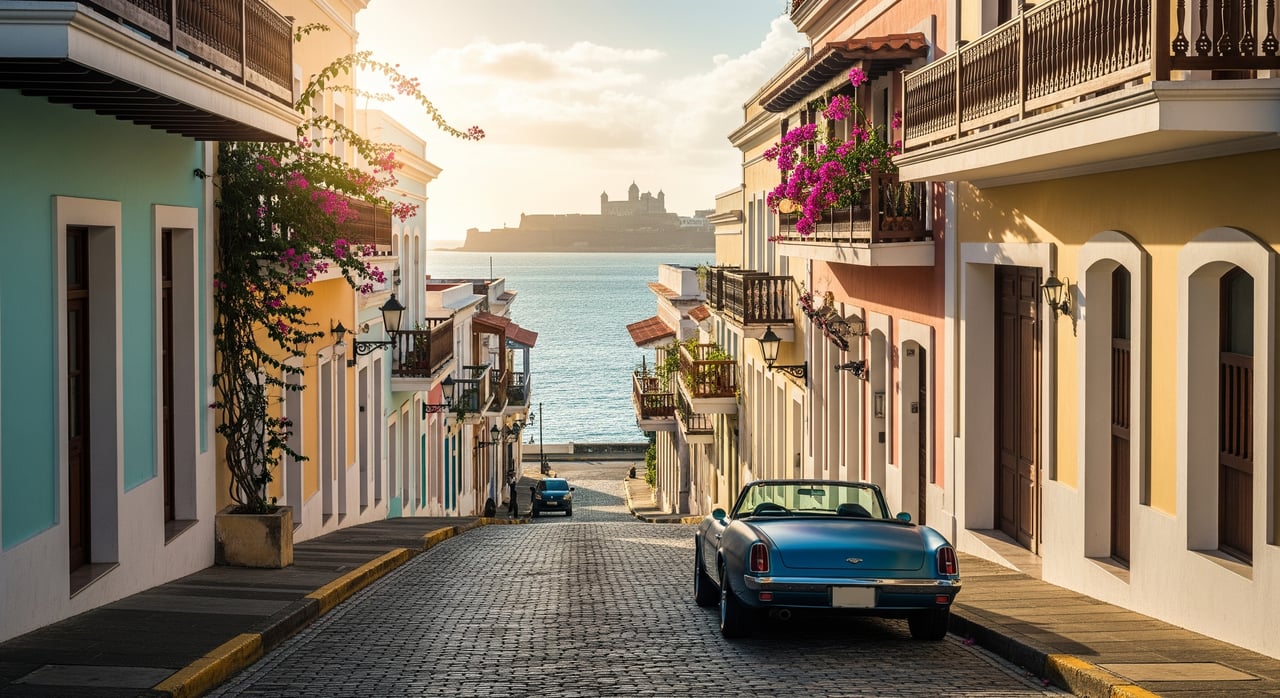
Can you picture stepping out your front door onto blue cobblestone streets, grabbing coffee from a corner café, and strolling past 16th‑century fortifications on your way home? If Old San Juan has been calling your name, you are not alone. Living here blends history, walkability and culture with a few practical tradeoffs. In this guide, you will learn what daily life feels like, how parking really works, and what to consider if you plan to buy or invest. Let’s dive in.
Everyday lifestyle in Old San Juan
Old San Juan is compact and designed for walking. Short blocks and a dense grid make daily errands easy, from markets and pharmacies to bakeries and hardware stores. You will notice sidewalks of varying width, stone streets and plenty of shade from balconies and trees. The historic fabric nudges you to slow down and enjoy the street life.
The neighborhood offers a range of dining, cafés and bars. You can grab a casual bite or sit down at a higher‑end spot, all within minutes on foot. This concentration of options is a big perk for residents, but it also draws steady visitors, especially on weekends and cruise ship days. Plan to make reservations during peak periods or explore quieter, residential blocks when you want a calm evening.
Culture runs deep here. Galleries, craft shops and music venues dot the streets, and you will find special performances and processions throughout the year. January’s Fiestas de la Calle San Sebastián brings very large crowds for several days, with music, artisan markets and street celebrations. During events like this, expect significant impacts on traffic, noise and access.
Daily rhythms are lively but not uniform. Entertainment corridors can buzz well into the night, while primarily residential streets are often quieter. If you prefer a calmer setting at night, target homes on blocks away from the main nightlife clusters. Visit prospective streets at different times to get a true feel.
Housing and historic buildings
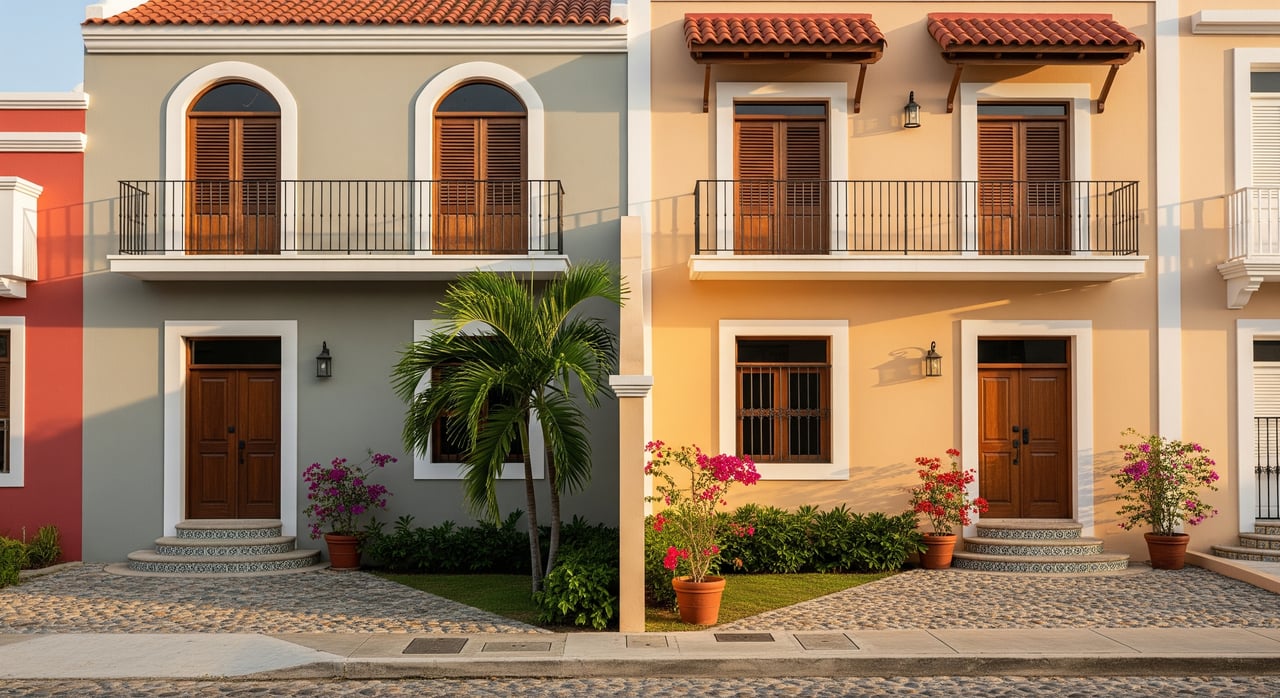
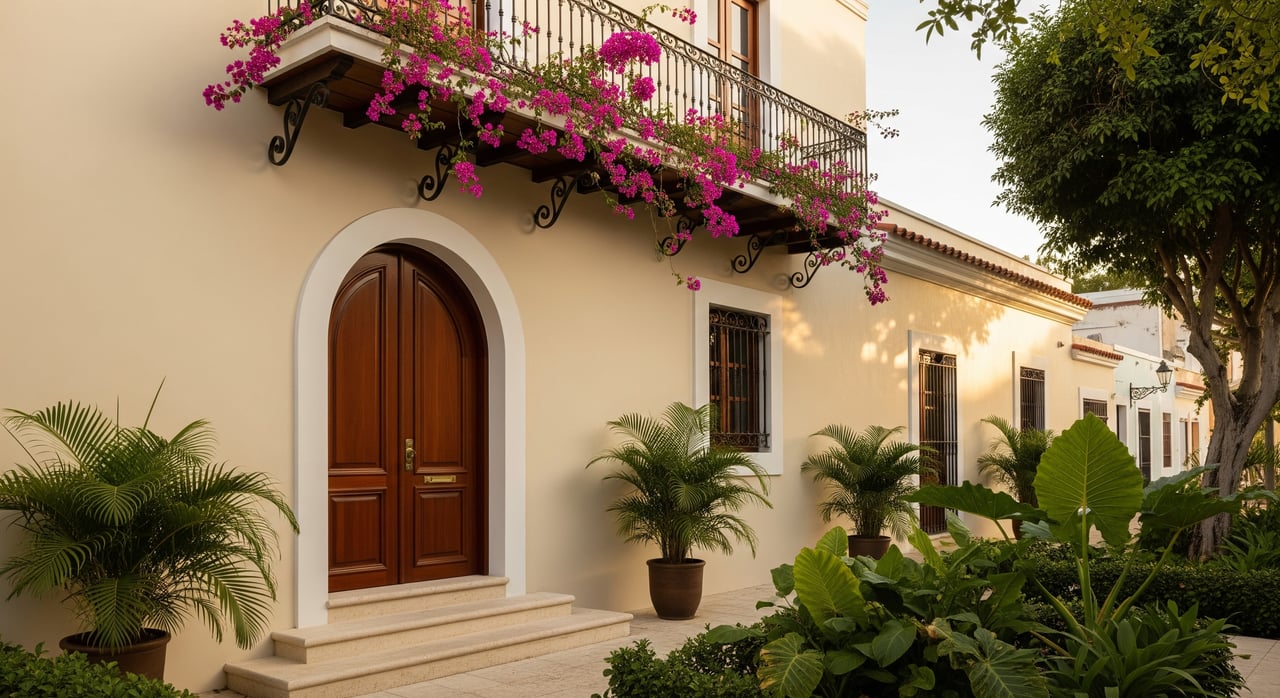
Old San Juan’s buildings are low‑ to mid‑rise masonry, many with Spanish colonial features like internal courtyards, balconies and thick walls. Many structures are historic or restored, and some have been converted into condos or townhomes. You will find a mix of owner‑occupied units, long‑term rentals and short‑term rentals within the district.
Maintenance can be more specialized than in newer neighborhoods. Historic masonry, woodwork and tile often require skilled contractors and specific materials. Budget extra time and cost for repairs and restoration, especially if you want to upgrade systems or weatherproof for storm season.
Historic rules focus heavily on exteriors. Any façade changes, structural interventions, window or balcony modifications and exterior paint choices are commonly reviewed by preservation authorities. Interior work is usually more flexible, but permits may still be required for structural or major system updates. If renovations are part of your plan, get clarity on the review process, allowed materials and expected timelines before you buy.
Older construction has both strengths and vulnerabilities. Thick walls can feel solid, but roofs, windows and non‑engineered additions may need modern upgrades for hurricane resilience. Review FEMA flood maps and longer‑term sea‑level scenarios, and discuss hurricane and flood coverage with your insurer and lender. Consider buildings with improved roofing, impact‑rated openings and emergency power plans.
Utilities and services
Public services like trash collection and maintenance operate throughout the district. That said, islandwide electric reliability and storm impacts can affect Old San Juan as they do other parts of Puerto Rico. Many residents prefer buildings with generator capacity or contingency plans. Internet service varies by address, so confirm available options during due diligence.
Mobility and parking explained
Old San Juan’s narrow, historic streets are part of the charm, but they limit vehicle capacity. Some streets are one‑way or effectively pedestrianized, and curb space is tight. Deliveries, moving trucks and garbage collection all happen in constrained conditions, so coordination matters when you are moving or renovating.
Parking is scarce, and that reality shapes daily life. On‑street parking often turns over quickly and is used by visitors during the day. Because of this scarcity, assigned parking with your unit is a major value driver and can influence pricing and demand. If you plan to own a car, make parking a top filter in your search.
Resident parking options
- Assigned parking in your building, when available.
- Monthly permits at private garages or lots nearby, subject to availability.
- Renting a space from a private owner in or near Old San Juan.
- Car‑light living with ride‑hailing, taxis, buses or ferries for trips outside the district.
Car‑light living tips
- Walk for daily errands. Most essentials are within a short distance.
- Use ride‑hailing or taxis for grocery runs and airport trips.
- Consider the ferry across the bay for certain commutes.
- If you own a car but do not need it daily, explore off‑islet storage and pick it up by taxi when needed.
Transit and alternatives
Public buses connect Old San Juan to other neighborhoods, though service frequency and reliability vary. Tren Urbano does not directly serve Old San Juan, so you will transfer to reach rail stations in other districts. The short ferry routes, including the crossing to Cataño, offer a scenic and practical option for some trips. For many residents, a combination of walking, taxis and ride‑hailing covers most needs.
Cruise days and events
Cruise ship arrivals bring waves of pedestrians and high demand for taxis and ride‑hailing. Restaurants, plazas and waterfront areas get especially busy. Plan errands around these peaks, and expect parking to be tougher during those times. Big festivals create similar surges, so it helps to track local calendars.
Who Old San Juan suits
You will love Old San Juan if you value urban living, historic charm and the ability to walk almost everywhere. Dining, culture and scenic public spaces are a daily part of life. If you enjoy lively streets and do not rely on a car for a long daily commute, this district can be a great fit.
It may be less suitable if you require a large private yard or frequent, car‑dependent travel to jobs far outside the area. Tourism brings energy and convenience, but also foot traffic and occasional noise. For many residents, the tradeoff is well worth it because the lifestyle is unique.
Buyer checklist for Old San Juan
- Clarify your parking plan. If a car is essential, prioritize listings with assigned spaces. If not, confirm monthly garage options and costs before you submit an offer.
- Confirm HOA rules and fees. Pay close attention to policies on short‑term rentals and renovations, and check any building or neighborhood restrictions.
- Map noise and foot traffic. Visit the block at day and night, weekdays and weekends. Consider proximity to entertainment streets and plazas.
- Evaluate building resilience. Ask about roof condition, window and door ratings, drainage, and emergency power.
- Plan for historic permits. If you intend to alter exteriors or structures, speak with the relevant preservation offices early, and budget time and cost.
- Verify utilities and internet. Confirm electric backup options and available internet providers at the address.
- Understand insurance. Discuss flood zones, hurricane coverage and deductibles with your insurer and lender.
Investor and STR considerations
Old San Juan’s high visitor traffic supports strong amenity demand, but it also increases competition for parking and can influence building policies. If you are evaluating a short‑term rental strategy, verify rules at the building and municipal level, and make sure your HOA and insurance align with your operating plan. The historic setting can be a draw for guests, while the logistics of access, noise and event schedules require thoughtful management.
For asset longevity, prioritize well‑maintained masonry with upgraded roofs and openings and a realistic maintenance budget. Consider operational workflows for turnover and cleaning on narrow streets, and build a plan for guest transportation that does not depend on on‑street parking.
How to tour like a local
- Walk the radius of your daily life. Start at the front door of the listing and walk to groceries, coffee, pharmacies, transit stops and a favorite plaza.
- Time your visits. Tour during cruise arrivals or evening dining hours to understand traffic, noise and curb availability.
- Inspect storage and deliveries. In older buildings without elevators or large stairwells, plan for moving logistics and regular deliveries.
- Ask about courtyard airflow. Internal patios and cross‑ventilation can make a big difference in comfort.
The bottom line
Old San Juan offers a rare blend of history, walkability and culture, with a few practical realities to plan around. If you approach parking, permits and resilience with clear eyes, you can enjoy a daily lifestyle that feels both inspiring and convenient. With the right guidance, you can choose a home that fits your rhythm and your goals, whether that is a quiet pied‑à‑terre or an income‑oriented property.
Ready to explore listings, clarify rules and compare blocks by feel, not just by photos? Reach out to Victor Alonso Vega for bilingual, hands‑on guidance tailored to Old San Juan. Let’s connect.
FAQs
Can I live in Old San Juan without owning a car?
- Yes. The district is highly walkable, and many residents rely on a mix of walking, taxis, ride‑hailing, buses and the ferry for daily mobility.
How noisy is Old San Juan at night and during festivals?
- Noise varies by block. Entertainment streets stay lively later, and large events create peaks, while primarily residential areas tend to be quieter.
What should buyers know about historic renovation rules in Old San Juan?
- Exterior and structural changes typically require preservation review and permits, while interior work is more flexible but may still need approvals.
Is parking realistic for residents of Old San Juan?
- Parking is limited. Assigned spaces add significant value, and many residents use monthly garages, rented spaces or adopt a car‑light lifestyle.
Are Old San Juan homes resilient to hurricanes and coastal risks?
- Masonry buildings can be robust, but roofs, windows and additions often need modern upgrades. Review flood maps and discuss insurance coverage.
What is the impact of cruise ship arrivals on daily life in Old San Juan?
- Cruise days bring heavy pedestrian traffic and higher demand for taxis and restaurants, which can make parking and access more challenging for a few hours.