Thinking about buying a historic home in Viejo San Juan and turning it into a rental? The setting is one of a kind, but heritage rules, shifting short‑term rental policies, and building needs can surprise even seasoned investors. In this guide, you will learn how to structure a rental plan that respects preservation rules, matches real demand, and protects your returns. Let’s dive in.
What makes Old San Juan unique for rentals
Protected heritage zone
Old San Juan is a documented historic district, with centuries‑old masonry buildings, courtyards, and Spanish colonial details. Exterior work, visible repairs, structural changes, and many use changes often require preservation review as part of the permit flow. You should plan extra time and design costs for any façade, balcony, roof, or entry work. The National Register documentation explains the district’s significance and common building types in detail, which is helpful when planning repairs and budgets. You can review the district background in the Old San Juan Historic District materials from the National Park Service at this National Register summary.
STR rules are local and shifting
Puerto Rico does not have a single statewide code for short‑term rentals today. A comprehensive House bill intended to standardize STR regulation was defeated in June 2024, so municipalities continue to set their own rules. You should expect local licensing, safety requirements, and fees at the municipal level in San Juan. Local reporting describes San Juan’s per‑unit licensing approach and use of market data for tracking. Read about the statewide bill outcome in the Puerto Rico Senate update and see municipal licensing coverage for San Juan in this local report.
Who rents here and when
Cruise and city tourism
Old San Juan’s walkable streets, forts, and waterfront bring strong day‑trip and short‑stay activity tied to cruise schedules and air arrivals. This supports weekend and holiday demand and helps fill shoulder periods for well‑located units. Press coverage of passenger movements shows healthy flows that benefit Old San Juan’s visitor economy. See recent travel traffic trends in this NotiCel report on passenger movement.
Festivals and event spikes
Major events concentrate bookings, especially the San Sebastián Street Festival in January. You can often command higher rates during event weeks, but you also need tighter cleaning schedules and guest coordination. Review the local event calendar and plan your pricing blocks well ahead of demand spikes. For timing reference, explore a recent San Sebastián Festival overview.
Mid‑term stays and relocations
A growing share of demand comes from remote workers, production crews, and relocating buyers using Puerto Rico’s Incentives Code. These guests tend to prefer furnished flats with privacy, reliable internet, and solid HVAC, and they often book for 30 to 90 days or more. This segment can smooth cash flow when nightly demand softens. For background on incentives that attract relocations, review the Act 60 overview.
Supply and competition
Short‑term rental supply on the island has expanded rapidly, with industry reporting noting about 25,000 active units. San Juan is a key concentration, so you should expect competitive pricing and the need for strong operations. Read more about inventory growth in this News Is My Business coverage.
Choose your rental model
Long‑term lease, 12 months or more
- Pros: Stable income, lower turnover, and simpler monthly operations.
- Cons: Lower gross yield than nightly rentals in many markets and fewer chances to capture peak event weeks.
- Fit in Old San Juan: Good option when a building favors year‑round residents, when condo bylaws limit short stays, or when you prefer a low‑touch asset.
Furnished mid‑term, 30 to 90 days or more
- Pros: Higher monthly rates than typical long‑term leases, less churn than nightly stays, and strong appeal to relocators and remote teams.
- Cons: Requires quality furnishings, fast internet, and clear contract terms. Some local rules still treat certain durations as commercial activity, so verify classification.
- Fit in Old San Juan: Strong for updated historic units near services that can offer comfort, privacy, and reliable utilities.
Nightly short‑term rentals
- Pros: Highest gross revenue potential in peak periods and flexible personal use.
- Cons: Highest operating overhead, neighbor risk, and sensitive to municipal licensing changes and HOA restrictions.
- Fit in Old San Juan: Works when condo documents allow it and when you can comply with San Juan’s license and safety conditions. Expect hands‑on guest service or professional management.
Underwrite the building, not just the view
Historic materials and common issues
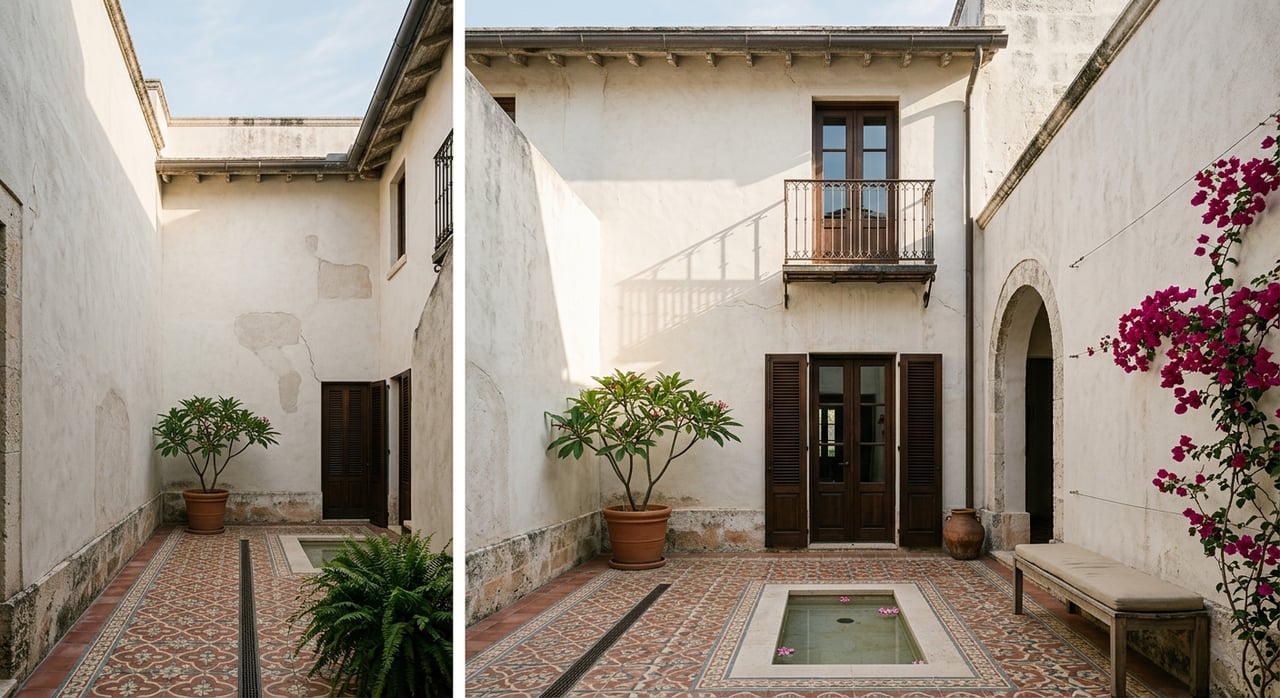
Colonial structures here use thick masonry walls, lime mortars, tile roofs, wood balconies, and interior patios. These materials require specific repair methods and experienced trades. Plan for moisture control, drainage, and careful structural review of timber and floor systems, plus modernization of electrical and plumbing for safe rental use. The Old San Juan Historic District documentation highlights how these systems work and why like‑for‑like repairs matter.
Climate and coastal risk
Waterfront proximity brings exposure to wind, storm surge, and long‑term sea‑level rise. Flood zones and insurance requirements can change operating costs and should be modeled early. For context on estuary vulnerabilities and planning, review the San Juan Bay Estuary research overview.
Permits, licenses, and taxes you must plan for
Preservation review and building permits
Any exterior change, alteration of street‑facing openings, roof silhouette changes, and structural work often trigger preservation review as part of the island’s permitting flow. Interior updates that affect structure, plumbing, electrical, accessibility, or egress typically require full permits. Expect to coordinate with preservation reviewers and account for design time. For guidance on how reviews fit into permits, see the Instituto de Cultura Puertorriqueña’s page on Patrimonio Histórico Edificado.
Municipal licensing for short stays
San Juan has a local licensing approach for STRs that can include per‑unit registration, owner‑registrant rules, safety conditions, and municipal fees. Always confirm current requirements with the Municipio de San Juan before underwriting nightly income. Local reporting provides a useful starting point in this San Juan STR licensing coverage.
Sales and room tax collection
Puerto Rico’s sales and use tax, known as IVU, applies to taxable services and can apply to short‑term and some mid‑term rentals. Hosting platforms may be required to collect and remit certain taxes as marketplace facilitators. You should confirm whether your platform handles IVU and any room or occupancy tax, or if you must file and pay directly. Hacienda’s administrative guidance on facilitator obligations is a helpful reference. Review DA 21‑06 from Hacienda and discuss filing steps with a local CPA.
Quick due diligence checklist
Use this list before you rely on rental income in your pro forma.
- Verify the property’s legal identifiers and municipal tax status. Ask for the CRIM catastro number and a Certificado de Deudas.
- Get the full condo declaration, bylaws, and recent HOA minutes. Confirm rental rules in writing with the community manager.
- Request copies of all prior permits and any correspondence with preservation agencies. If you plan changes, budget added design and review time.
- Order inspections that fit heritage buildings: structure, moisture, roof, pest, and electrical. Ask for a 5 to 10‑year maintenance plan with costs.
- Pull FEMA flood maps and get wind and flood insurance quotes. If near the waterfront, model surge and sea‑level scenarios.
- Confirm current San Juan STR licensing steps, fees, and timing if you plan nightly stays. Save a copy of application forms.
- Clarify tax handling. Confirm who remits IVU and room tax for bookings and whether you need a municipal business license or tourism registration.
- Build conservative revenue models with multiple scenarios. Stress test for competition, blackout periods, and event pricing.
- If you plan to use Act 60 or other incentives, coordinate with counsel early to align your housing timeline with decree requirements.
Sample revenue game plan by season
You can smooth income and reduce risk with a blended strategy. Lead with mid‑term bookings during slower travel months, then switch to short stays during peak weeks when rules and building policies allow.
- Q1: Capture event weeks like the San Sebastián Festival at peak rates. Fill the rest of the quarter with 30 to 60‑day furnished stays.
- Q2: Target relocators and remote workers for mid‑term bookings. Offer flexible start dates and strong internet to win longer inquiries.
- Q3: Hurricane season means higher weather risk. Focus on 60 to 90‑day stays, complete preventive maintenance, and hold a reserve for insurance deductibles.
- Q4: Ramp up for holidays and cruise peaks. Open controlled short‑stay windows and tighten cleaning and check‑in logistics.
How Victor helps you execute
You do not need to choose between charm and cash flow. With boutique, hands‑on support, you can preserve a historic façade while running a compliant, well‑reviewed rental. Our approach starts with a clear plan: confirm building rules and permits, match the unit to the right rental model, and line up reliable trades for heritage maintenance.
At Caribe Blue Realty, we pair buyer representation with practical STR leasing and management, plus investor services for multifamily and special situations. You get neighborhood guidance in Old San Juan, and you get an operator mindset for pricing, marketing, and guest experience. We coordinate renovations, connect you with specialist inspectors, and structure a calendar that fits local demand. Ready to explore a heritage purchase and an income plan that works? Connect with Victor Alonso Vega to get started.
FAQs
What permits do I need to renovate a heritage rental in Old San Juan?
- Exterior changes, structural work, and visible roof or opening alterations typically require preservation review and formal permits as part of the island’s process; plan added time and design costs.
Are nightly short‑term rentals legal in Viejo San Juan right now?
- There is no single statewide code, and San Juan regulates locally with licensing and conditions, so confirm current municipal rules, HOA permissions, and safety requirements before booking guests.
How are IVU and room taxes handled for Puerto Rico short‑term rentals?
- IVU applies to taxable stays and platforms may remit as marketplace facilitators; verify whether your platform collects and remits taxes or if you must register and file yourself.
What building issues are common in Old San Juan heritage homes used as rentals?
- Expect moisture and drainage needs, lime mortar and masonry care, timber and balcony checks, and modernization of electrical and plumbing using qualified trades.
What risks should I plan for if the property is near the waterfront?
- Budget for wind and flood insurance, review flood zones, and consider storm surge and sea‑level exposure, which can affect premiums and long‑term resilience.
How do events and cruises affect pricing and occupancy in Old San Juan?
- Event weeks and cruise peaks can raise rates and occupancy, while weekdays and off‑season may slow; a blended mid‑term plus selective short‑stay plan can stabilize income.